The Dawnfire Imperium
Out of chaos rose order. Out of fire rose law.
The Imperial Dream
Flame of the First Dawn • Sanctified Order
The Dawnfire Imperium is more than an empire of stone and steel. It is a living creed — a vision of humanity perfected under the Light of Aureon. From the frozen northern marches to the southern river kingdoms, twelve Nation-States kneel beneath the Luminary Throne.
Here, faith and law are one. The Church of Aureon does not merely advise the throne — it sanctifies it. Nobles rule by divine right, and the common folk find meaning in service, in hierarchy, and in the promise that order is the only true freedom.
A Brief History
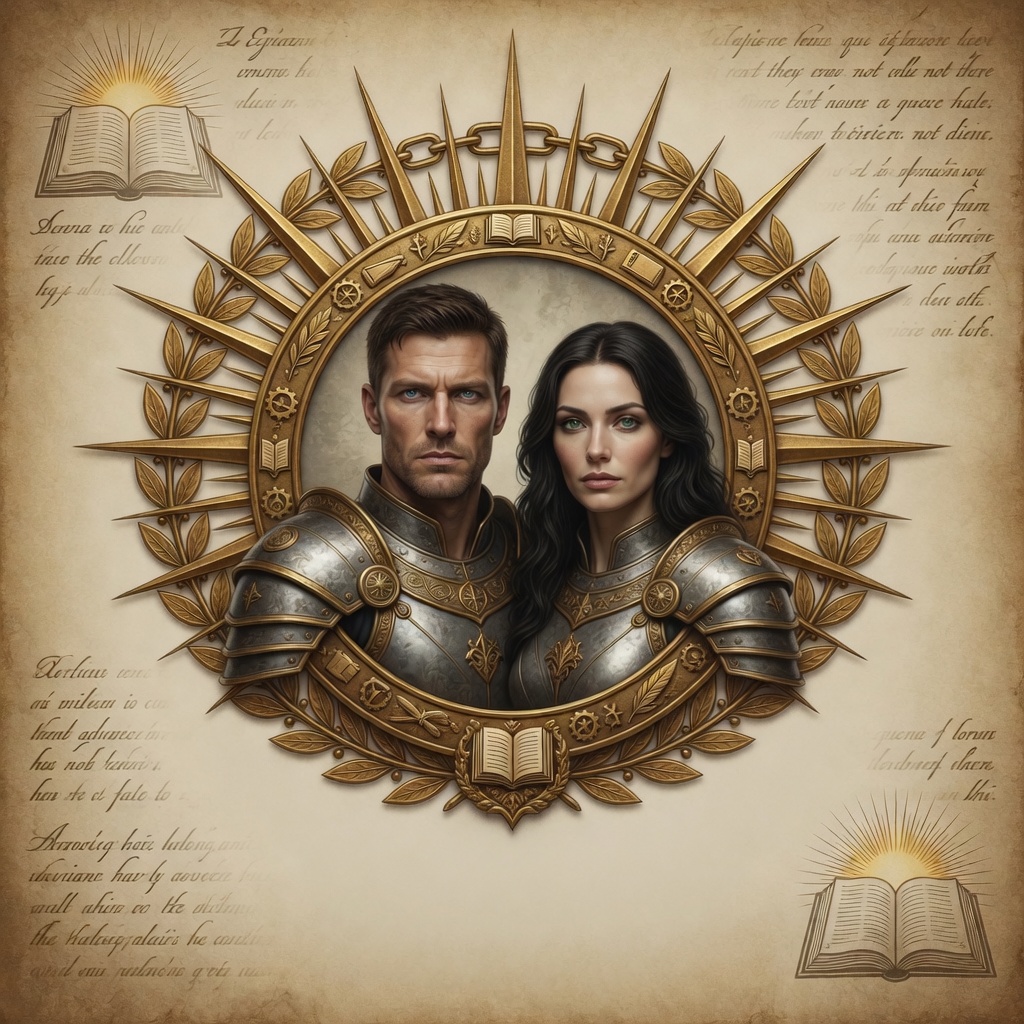
Imperial annals date the Dawnfire Imperium to the Age of Ash, when fractured human kingdoms bled one another and orc warbands pressed from the west. Scholarly tradition holds that Aureon, Flame of the First Dawn, appeared in a vision to the war-chieftain Aurelian Valcor, granting him the mandate to unify humankind “beneath a single blaze of light.”
Valcor’s early victories coincided with the first great sightings of the Inferni — rift-touched horn-folk. Seizing both opportunity and pretext, he launched the First Dawnfire Crusade: while conquering rival kings, he drove the Inferni into submission, branding captives with the molten Sigil of Compliance.
With the Imperium’s foundation secured, the Church of Aureon rose alongside it. Across three centuries the raw blaze of the First Dawn gradually cooled into the ordered hearth-fire of the Imperium.
Church & Nobility
The Church is not merely a religion — it is part of the state. It is known as The Sanctified Order of the Flame. Only those anointed by the Church may inherit noble titles, command armies, or judge in imperial courts.
Nobility in the Imperium is hierarchical, ranging from Baronet to Kings. Noble houses often sponsor cathedrals, crusades, or lightborn orphanages to earn favor and legitimacy.
The Elves in the Imperium
Long ago, before the twelve great nation states rose, the Elves had Imperial houses. A great calamity befell them, and they were swallowed by the earth. The remaining Nobles are all dark skinned with light hair. As a token of respect, they bent themselves into what we know as the High Elves that walk our hallways, keep our histories, and counsel our Nobles.
View of the Orcs
To the citizens of the Dawnfire Imperium, the Orcs are a paradox — viewed as both savages to be tamed and foes to be crushed. Yet beneath this veneer of disdain lies an undercurrent of respect and fear. The Imperium has learned that they are not mindless beasts but fierce warriors bound by an unshakable code.
The Price of Legitimacy
Legitimacy flows downward from Aureon. Without Church blessing even an Emperor is “Crownless Fire.” Excommunication removes inheritance rights, voids contracts, and invites rivals. The Purging Flame outranks any secular badge when heresy or undeath is alleged. Dual Courts (secular + ecclesiastic) exist in every city; nobles who master both keep their heads longest.
A pact renewed every century binding noble houses to Aureon’s doctrines in exchange for spiritual legitimacy.
A past civil war ended when a prince declared himself Emperor without Church approval. The Church responded with a Lightcurse, turning his lands to ash.
The Umbral Path and Cult of Nalzherax are outlawed. A single act of worship is treason. Lightbringer purges hunt them without mercy.
Full details on the Sanctified Order’s ranks and the interplay of Crown and Flame are kept in the Imperial Archives of Faith.
Propriety & the Underculture
The Church teaches that the body is a vessel of divine light — and a potential gateway to corruption. Sex outside wedlock is sin; marriage a holy contract binding souls and houses. Public affection is subdued; chastity is virtue drilled from childhood.
Nobles use marriage as political tool. Commoners seek respectability. Children born outside wedlock carry the stigma of “shadowborn.”
Yet repression breeds shadow.
Secret liaisons, hidden brothels, and masked festivals flourish in the Underculture. The Umbral Path preaches the opposite: lust as sacrament, desire as truth, ecstasy as ritual. The Church stamps out one flame only for another to flare elsewhere.
Inferni, once framed as licensed courtesans under the old Edict, walk a razor’s edge between tolerated vice and reclaimed dignity.